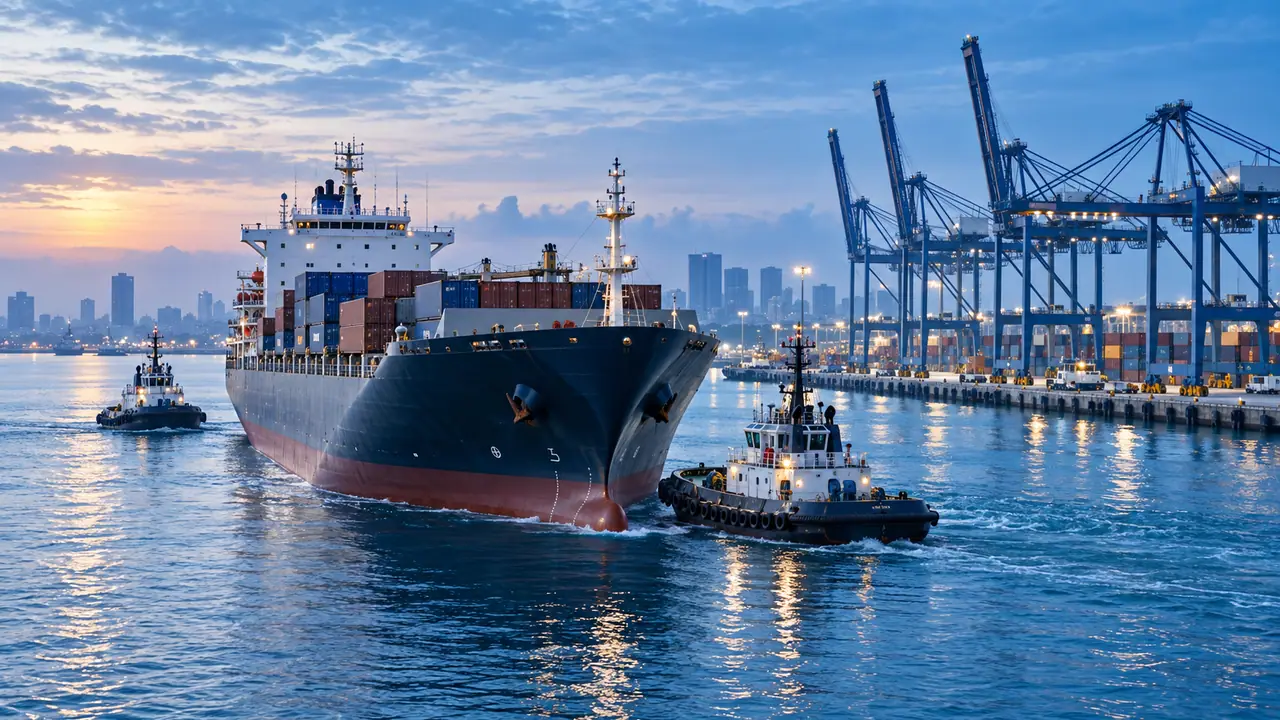
Why vessels wait, and which reasons are in the owner's hands
A vessel at anchor off Lagos is usually waiting for one of a few things: a berth, a pilot and tug window, cargo that is not yet ready to receive or load, or paperwork that has not been completed. The first is a matter of port traffic. The others are matters of preparation, and preparation is where an owner or operator has the most influence.
It helps to separate the reasons early. When the cause of a wait is a queue, the right response is patience and good planning of the vessel's costs. When the cause is an unready receiver, a missing certificate or an unclear instruction, the wait can often be shortened by acting quickly. Treating every wait as a queue hides the delays that can be removed.
Documents: complete, consistent and early
Pre-arrival information is the first thing a port agent works from. Crew list, ship's particulars, certificates, cargo declaration and last ports of call should be sent as soon as the voyage is fixed, and should agree with each other. A small mismatch in a name, a tonnage or a date can send a file back for correction while the vessel is already at anchor.
Ask your agent for a short list of what is needed for your vessel type and cargo, and send everything in one organised package. Reissue nothing without telling the agent, so that everyone is working from the same version.
Keep originals that may be requested on board in a single, accessible place, and make sure the master knows which ones they are. A request that the ship can answer in minutes should not take a day. A short index of what is on board, and where it is kept, saves the master and the agent from searching while the clock runs. Review it before the vessel leaves its last port, when corrections are still easy to make.
Cargo, receivers and berth readiness
Many anchorage delays begin ashore. A discharge berth is only useful if the receiver, the trucks or the barges, the storage and the cargo documents are ready when the vessel is called in. A load berth needs the cargo to be available in the required quantity and quality.
Owners and operators can ask the charterer or cargo interests for a clear statement of readiness a few days before arrival, and pass it to the agent. If readiness changes, say so at once. An agent who knows that a receiver will be late can plan the vessel's berth request, line-handling and services around the real date instead of the hoped-for one.
Check also that the vessel itself is ready: cargo gear tested where relevant, tanks and holds prepared, and any inspections or surveys arranged in advance so they do not need a separate slot after berthing.
Communication while at anchor
The cost of waiting is easier to manage when the information is good. Agree a simple update rhythm with your agent: berth position, expected call-in window, outstanding documents and any service the vessel needs, such as provisions, bunkers or a crew movement. Ask for the same short format each time, so changes stand out.
Decide in advance who on the owner's side can approve an extra step, so a decision does not wait for the right person to wake up in another time zone. Give the master the same picture, so the ship and the office speak with one voice to the port.
Use the waiting period productively. Husbandry, supplies and, where it suits the plan, crew changes can be arranged while the vessel is at anchor, provided they are coordinated before the vessel is called forward.
Planning your next Lagos call with Vandyvah
Vandyvah's port agency and vessel entry team works with owners, operators and charterers to line up documents, cargo readiness and services before the vessel reaches the anchorage. We keep you and the master informed of the berth position and the next action, so the days at anchor are used well.
If you have a vessel heading for Lagos, contact the operations team before the vessel arrives. A short conversation about the cargo, the receivers and your timeline is the easiest way to begin the call with a clear plan.
Checklist to reduce waiting at the Lagos anchorage
- pre-arrival documents sent early and checked for consistency
- certificates and originals located and accessible on board
- receiver or shipper readiness confirmed in writing
- trucks, barges or storage for the cargo arranged
- vessel's own readiness checked: gear, tanks and holds
- update rhythm agreed with the agent and the master
- owner-side approver named for extra steps
- services for the waiting period planned in advance
Where delay usually develops
- pre-arrival documents that disagree with each other
- a receiver or cargo not ready when the berth is offered
- certificates not found quickly when requested
- decisions waiting for an approver in another time zone
- services requested only after the vessel is called forward
What the principal should prepare
- complete ship's particulars, certificates and crew list
- a readiness statement from the charterer or cargo interests
- a named decision-maker available during the call
- the services the vessel is likely to need at anchor
What Vandyvah can coordinate
- review of pre-arrival documents before submission
- berth position and call-in updates for owner and master
- alignment of receivers, cargo and vessel timing
- arrangement of husbandry and supplies while at anchor
- crew movements planned around the call-in window
- a clear next action at each stage of the call