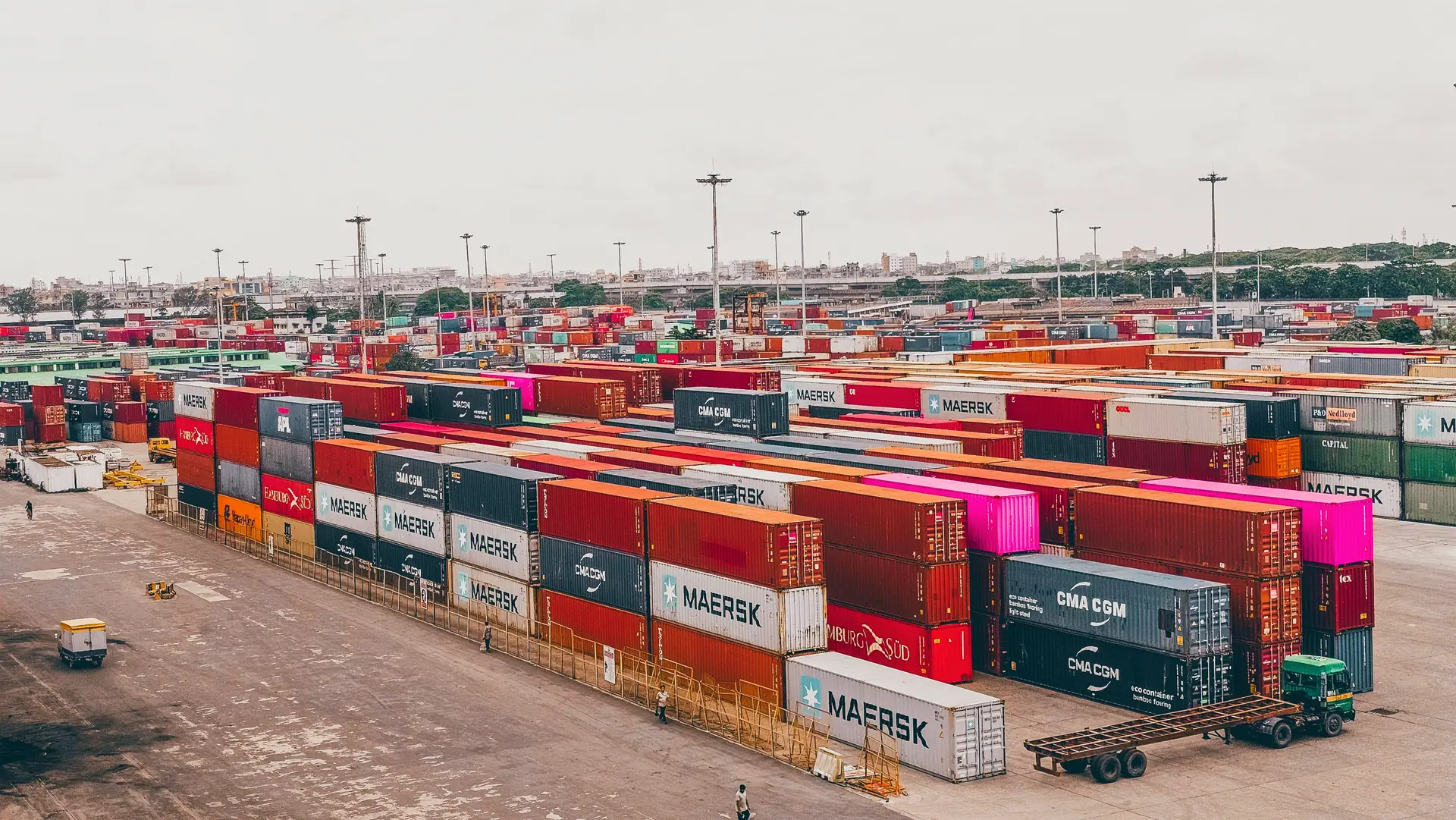
Total landed cost, not port capability
Ports are usually compared on capability: depth, cranes, capacity, congestion. Those matter, but they are one term in the equation. The number that decides the outcome is total landed cost to the receiving location, including inland haulage, transit time, and the cost of the days lost at each handover.
A port that discharges quickly and sits several hundred kilometres from the consignee can easily be the expensive option.
What should decide the routing
| Factor | Why it moves the decision |
|---|---|
| Receiving location | Inland haulage cost and transit time often exceed the freight difference |
| Cargo type | Containerised, breakbulk, project and liquid cargo suit different facilities |
| Volume and frequency | A regular programme justifies arrangements a single shipment cannot |
| Equipment availability | Handling capability for the specific unit, not the general category |
| Haulage capacity | Trucks available on the corridor when the cargo is releasable |
| Empty return | Depot acceptance near the delivery point, not near the port |
The corridor is part of the port
Access to a port is as operationally real as the berth itself. Cargo that is releasable but cannot move because haulage on the corridor is unavailable accrues the same charges as cargo that is not releasable.
Assess the corridor when you assess the port: available capacity, typical transit, and what happens to your plan when that capacity tightens.
Decide once, then plan for the exception
Routing is worth deciding deliberately and then holding, because a change of port mid-shipment is expensive. What is worth planning separately is the exception: what you will do if the berth window moves, if haulage tightens, or if release takes longer than expected.
An agreed exception plan is what keeps a bad week from becoming a bad quarter.
Before fixing the discharge port
- receiving location and inland distance confirmed
- cargo type matched to handling capability for the specific unit
- expected volume and frequency stated
- haulage capacity on the corridor assessed, not assumed
- empty return depot identified near the delivery point
- berth window expectations set against the operation
- an exception plan agreed for berth, release and haulage delay
Where delay usually develops
- port chosen on freight cost without inland haulage in the comparison
- handling capability assumed from the port general category
- haulage capacity on the corridor unassessed
- empty return depot far from the delivery point
- no exception plan when the berth window moves
What the principal should prepare
- the delivery location and receiving constraints
- cargo particulars including unit dimensions and weights
- expected volume, frequency and timing
- commercial terms determining who bears which cost
What Vandyvah can coordinate
- port and terminal assessment against the specific cargo
- berth and handling coordination
- haulage planning on the chosen corridor
- milestone reporting through the operation
- empty return and closing records