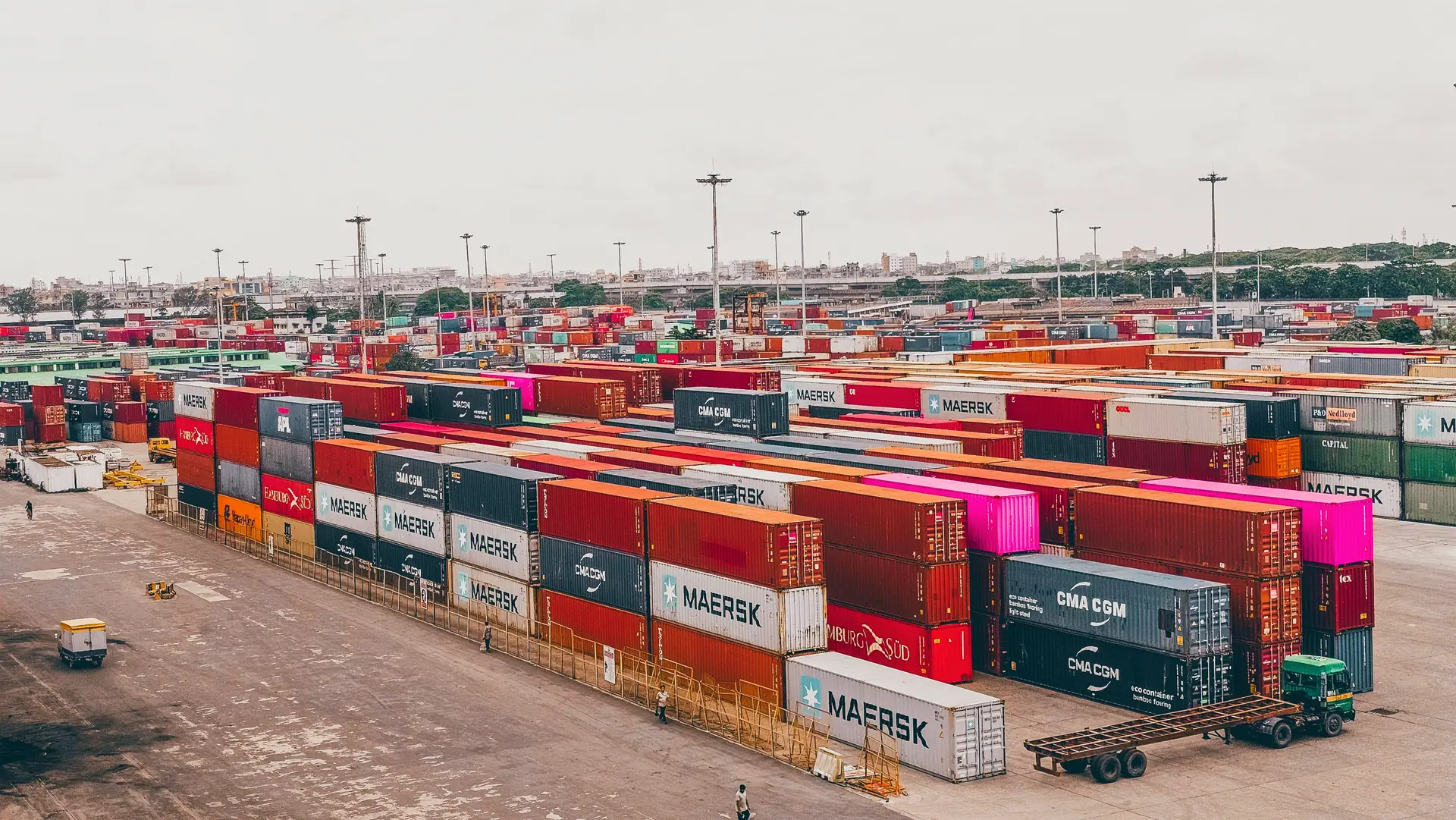
Free time starts whether you are ready or not
The free-time clock is indifferent to whether the consignee has begun. It runs from discharge, and every day spent assembling documents that could have been assembled during the voyage is a day of the allowance consumed for nothing.
The single highest-return action in Nigerian container logistics is to complete document preparation before the vessel arrives.
The five points where time is lost
- Documentation prepared reactively after arrival instead of during the voyage.
- Classification or regulatory queries raised during processing, which stop the clock for nobody.
- Shipping-line requirements — charges, exchange of documents, equipment conditions — outstanding at the moment release would otherwise be possible.
- Terminal positioning and examination scheduling, which are constrained by the terminal rather than by the consignee.
- Trucking booked on an assumption about release rather than on confirmed release, which wastes both the truck and the day.
What can and cannot be influenced
Documentation timing, description quality, release readiness and trucking sequencing are within the cargo interest's influence. Terminal productivity, examination selection and carrier tariffs are not.
Effort spent on the first group produces results. Effort spent arguing about the second group produces demurrage.
Detention is a separate clock
Demurrage stops when the container leaves the terminal. Detention starts. Many consignees celebrate gate-out and then lose the equivalent amount of money on a slow turnaround and a constrained depot return.
Plan the return window at the same time as the delivery, not afterwards.
Demurrage-avoidance checklist
- documentation assembled during the voyage, not after arrival
- product descriptions checked as sufficient for classification
- free-time terms confirmed with the carrier in writing
- Last Free Day calculated and owned by a named person
- shipping-line requirements identified early and cleared
- terminal charges and release requirements anticipated
- trucking booked against confirmed release, not expected release
- delivery site receiving hours and offloading capability confirmed
- empty-return depot and acceptance window identified in advance
- container condition documented at delivery and at return
- Equipment Interchange Receipt obtained and retained
- exposure re-estimated whenever a delay is identified
Where delay usually develops
- documents raised after arrival
- classification or regulatory queries
- shipping-line requirements outstanding at release
- terminal positioning and examination scheduling
- trucking committed before release is achievable
- empty return constrained by depot acceptance
What the principal should prepare
- complete and consistent shipping documentation
- carrier free-time terms
- delivery address, hours and offloading capability
- authority to settle terminal and line charges
What Vandyvah can coordinate
- discharge monitoring and Last-Free-Day tracking
- release coordination with terminal and shipping line
- trucking sequencing against confirmed release
- empty return and depot coordination
- exposure reporting as circumstances change