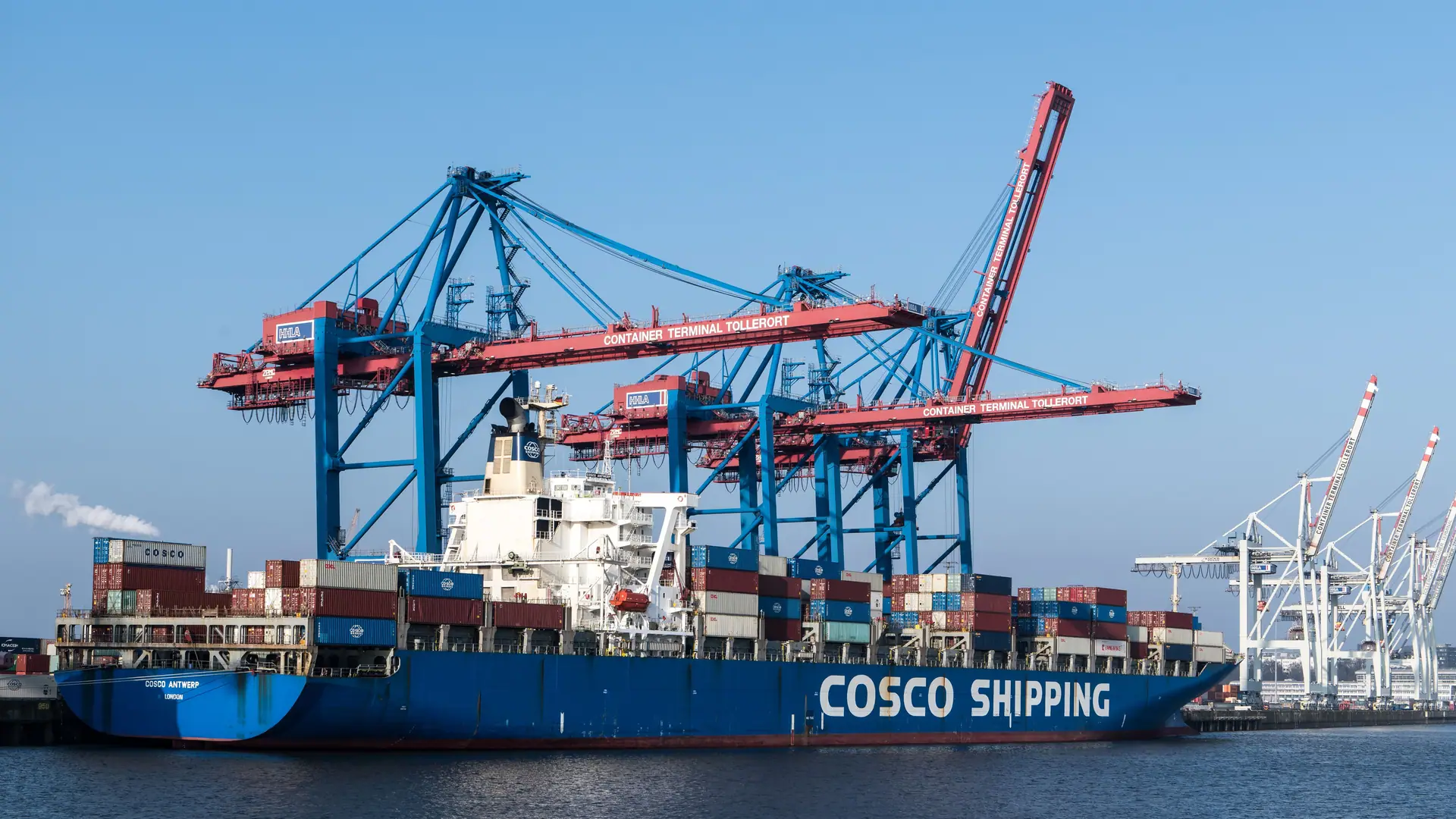
Why the brief decides the speed of the shipment
Most importers brief a forwarder with a booking confirmation and a request to "handle it". That is enough to get cargo onto a vessel. It is not enough to get cargo out of a Nigerian terminal and to a warehouse without waiting, because the questions that stall a shipment in Nigeria are nearly all questions the importer could have answered weeks earlier.
A forwarder working from a thin brief discovers the gaps one at a time: the invoice value needs explaining, the delivery site cannot take a forty-foot trailer, the person who approves payments is travelling. Each discovery costs a day or more, and in a terminal those days are charged. A forwarder working from a full brief resolves the same questions before the vessel sails.
The documents and the cargo, described once
Send the forwarder the complete document set as soon as it exists: proforma and commercial invoices, packing list, draft bill of lading, the import documentation opened through the bank, and any product certificates or permits. Ask them to review the set against Nigerian requirements, not only against the booking.
Describe the cargo precisely and in the same words everywhere. State what the goods are, what they are used for, how they are packed, and their weights and dimensions. If the shipment includes spare parts, samples, used equipment or mixed goods, say so at the start. These are the details that change classification and examination decisions, and they are far easier to handle before the cargo leaves origin.
What a complete forwarding brief contains
| Brief item | What it lets the forwarder do |
|---|---|
| Full document set, including bank-side import documentation | Check consistency and start the pre-arrival assessment on time |
| Exact cargo description, packing, weights and dimensions | Confirm classification, examination readiness and equipment needs |
| Port of discharge and shipping line | Line up line and terminal requirements before arrival |
| Delivery address, access and receiving hours | Plan the right truck and a delivery slot that can be met |
| Funding arrangement for duty and charges | Settle payments the day they fall due |
| Named decision-maker and approval limit | Get answers to daily questions without waiting |
| Date the cargo is genuinely needed | Prioritise the steps that protect that date |
Delivery, funding and decisions
The delivery end deserves as much attention as the port end. Tell the forwarder where the cargo is going, what vehicles can reach the site, when the site can receive, whether there is lifting equipment, and whether the container is to be devanned on site or at a warehouse. A container released on time and then held because the site cannot receive it still accrues detention.
Funding and authority are the other half of the brief. Duty, terminal charges and shipping-line charges fall due on a timetable that does not wait for internal approvals. Agree how funds will reach the forwarder, name one person in Nigeria or at head office who can approve spending and answer questions the same day, and give them copies of every document.
Overseas forwarders appointing a Nigerian partner
Overseas forwarders handing cargo to a Nigerian destination partner face the same questions one step removed. The brief should include the original shipper's documents, the consignee's contact and delivery details, the agreed division of charges between origin and destination, and how status should be reported back to the overseas office and its client.
Agree the reporting rhythm at the start. A daily status line showing where the cargo is, what is pending and who holds the next action lets the overseas forwarder keep its own customer informed, rather than chasing updates after something has already slipped.
Briefing Vandyvah on your next shipment to Nigeria
Vandyvah works with importers, exporters and overseas forwarders on customs clearing and freight forwarding through Nigerian ports. We take a full brief before the cargo ships, review the documents and cargo description against Nigerian requirements, confirm delivery conditions and funding in advance, and then coordinate assessment, release, haulage and delivery with a daily status update to the principal.
If you have cargo about to ship to Nigeria, contact our operations team before it leaves origin. A short briefing call at that stage is the most effective way to make sure the shipment moves from the terminal to its destination without waiting on questions that could have been answered earlier.
Forwarding brief: before the cargo ships
- complete document set sent, including bank-side import documentation
- cargo description identical across invoice, packing list and bill of lading
- packing, weights and dimensions confirmed for every package
- spare parts, samples, used equipment or mixed goods declared at the start
- delivery address, site access and receiving hours stated
- funding for duty and charges agreed and ready
- one named decision-maker with an approval limit
- the date the cargo is genuinely needed, and the reporting rhythm agreed
Where delay usually develops
- document sets sent in pieces after the cargo has sailed
- cargo descriptions that change between documents
- delivery sites that cannot receive the vehicle or the container
- funding arranged only after charges fall due
- questions waiting for a decision-maker who cannot be reached
What the principal should prepare
- a complete and consistent document set
- an exact cargo description with packing details
- delivery conditions at the receiving site
- funding and a named contact with approval authority
What Vandyvah can coordinate
- a structured briefing before the cargo leaves origin
- document and cargo-description review against Nigerian requirements
- customs assessment, examination and release on arrival
- haulage planned around the delivery site's conditions
- daily status reporting to the importer or overseas forwarder