Why timing matters more than speed
Most people moving back to Nigeria ask how fast their goods can travel. A better question is when the goods are needed, and what has to be true on that day. A family arriving to an empty home has different needs from someone who is staying with relatives for the first few months and can wait for furniture.
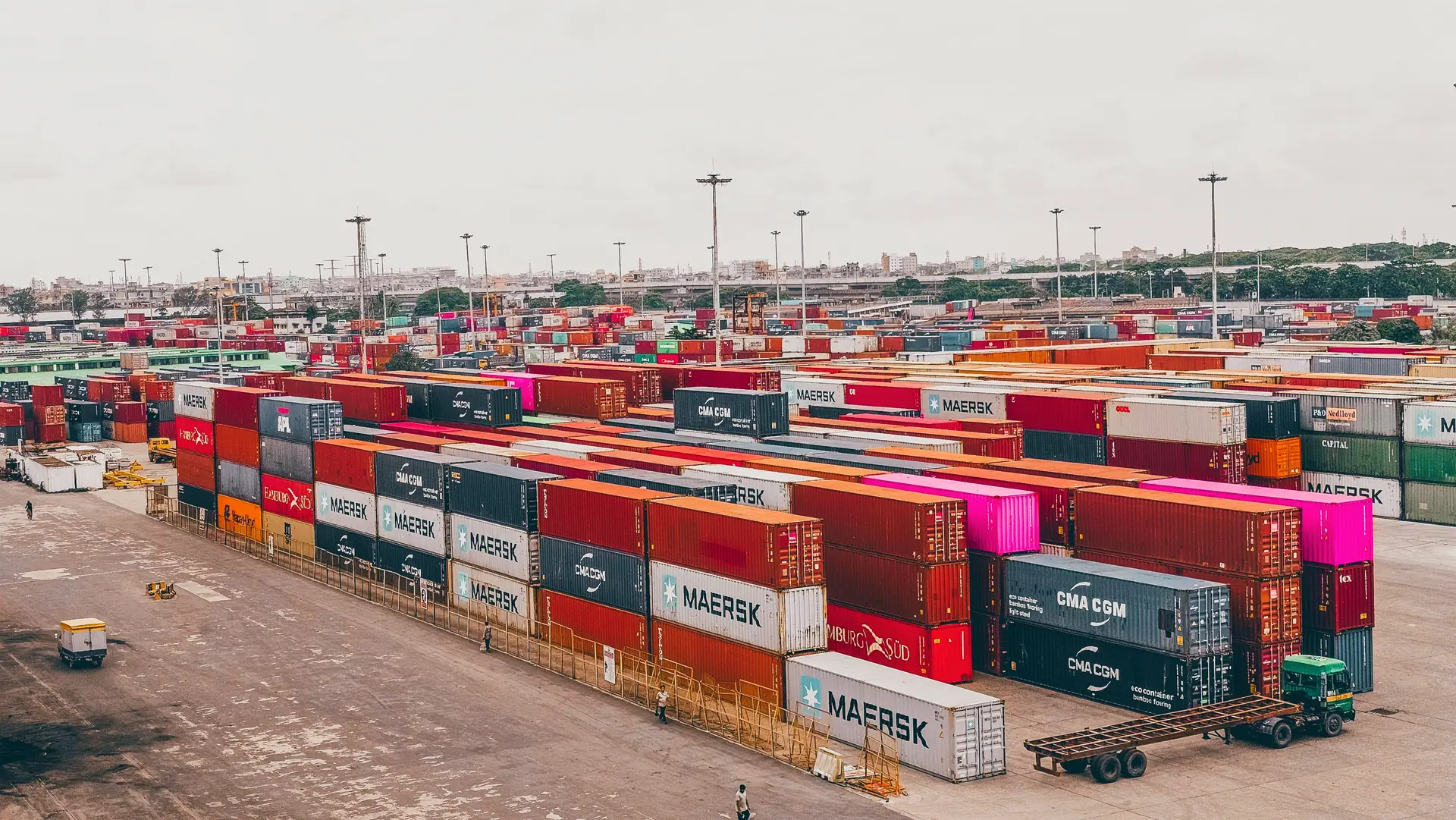
Sea freight is the usual route for a full household, and it moves in stages: collection and packing, loading, the voyage, discharge in Nigeria, customs clearance, release and delivery. Each stage has its own pace, and the stages do not overlap as neatly as people hope. A plan that only counts the voyage will almost always be short.
Working backwards from your arrival date
Begin with the date you want the goods to be usable in your Nigerian home, then work backwards. Leave room after the vessel arrives for clearance and delivery, because goods usually wait for documents and release before they can move. Leave room before sailing for packing, inventory preparation and the shipping line's or consolidator's cut-off.
Build in a margin for the parts you cannot control. Vessel schedules move, terminals have busy periods and goods can be selected for examination, so a plan with a few spare weeks serves you better than one that depends on every step running on time. If a fixed date matters, such as a school term or a start date at work, tell the operations team at the start so the booking can reflect it.
Decide early whether you will travel before, with or after the goods. Many returning families travel first and let the shipment follow, because it is easier to receive a container when someone is in Nigeria to answer questions, confirm the address and sign for delivery. If you travel after the goods, make sure a trusted person is named to act on your behalf.
What to settle before anything is packed
Packing is where timing is most often lost. Walk through the home room by room and decide what goes, what is sold and what is replaced after arrival. The decision list becomes the inventory, and the inventory is the document that clearance depends on.
Prepare the inventory so it matches what is physically in each carton. Name items plainly, record make, model and serial numbers for electrical and electronic goods, and number every carton. Keep your passport details, Nigerian address and the contact details of your receiver in one file, so the same information appears on every document.
Choose between a full container and a shared container by volume and by how soon you need the goods. A shared container can suit a smaller move, but it sails when the consolidator closes it, so your dates follow their cut-off. A full container follows your own packing date but needs enough goods to justify it.
- decide the date the goods must be usable in Nigeria
- settle what is shipped, sold, stored or replaced
- prepare the inventory and number each carton
- confirm container type and the cut-off or sailing date
- name the receiver and delivery address in Nigeria
During transit and on arrival
Once the container is loaded, keep the booking details, bill of lading draft and container number together, and share them with your receiver. Watch the vessel's progress, but remember that arrival is a milestone, not the end. Discharge, clearance, any examination and release still follow before delivery.
Documents should be ready before the vessel arrives. Goods that arrive while the paperwork is still being corrected wait at the terminal, and waiting can mean storage or container charges that a little preparation would have avoided. Have your identification, inventory and shipping documents ready for submission as soon as they are needed.
Keep a record of every message about the shipment, with dates. When the shipping line, terminal and clearing team each hold part of the picture, a single timeline kept on your side lets you see quickly where the goods are and who needs to act next. Share it with your receiver so both of you work from the same facts.
If an examination is called, it helps to have a person available to attend and to have cartons that match the inventory. A clear packing method and a good inventory make the visit shorter. Plan delivery for a day when someone can receive the goods, and check that the access to your home suits the vehicle bringing them.
Planning your next move home with Vandyvah
Vandyvah's operations team works with returning families to coordinate household goods shipments through shipping and forwarding partners, from booking and documentation guidance to customs clearance coordination, release and delivery to the home address. We report each step so you always know where the goods are.
The most useful conversation happens before packing begins, when your arrival date can still shape the plan. Contact the operations team before your cargo ships, and we will help you build a timeline from your move date back to the packing day.
Moving back to Nigeria: household goods timeline
- target date for goods to be usable in Nigeria agreed
- decision made on what to ship, sell, store or replace
- inventory prepared with numbered cartons
- model and serial numbers recorded for electrical items
- full or shared container chosen against the cut-off date
- identification and shipping documents gathered in one file
- receiver and delivery address named in Nigeria
- delivery day planned with someone present to receive
Where delay usually develops
- packing started too late for the cut-off or sailing
- inventory that does not match the cartons
- documents still being corrected when the vessel arrives
- no receiver available to answer questions or sign
- examination called with nobody to attend
- delivery planned for a day when no one can receive the goods
What the principal should prepare
- the date the goods are needed in Nigeria
- a complete inventory with numbered cartons
- identification and personal details for the documents
- a named receiver and delivery address
What Vandyvah can coordinate
- advice on sea or air and full or shared containers
- booking through shipping and forwarding partners
- documentation guidance against the inventory
- arrival and discharge monitoring
- customs clearance coordination and examination support
- release and delivery to the home address