Where first-time importers lose money
Most losses on a first import do not come from the ocean passage. They come from the two ends of the chain: the payment made to a supplier you have never dealt with, and the charges that build up when the goods arrive in Nigeria and the paperwork is not ready.
Both problems share a cause. A first-time importer is often under pressure to move quickly, accepts the supplier's terms as offered, and leaves the questions about clearing and delivery until the vessel is already at sea. A little structure at the start removes most of the exposure.
The sections below follow the money in order: before you pay, while the goods move, and when they arrive.
Before the first payment: know who you are paying
Start by confirming the supplier is a real business that makes or trades the goods you are buying. Check that the company name on the quotation matches the name on the bank account you are asked to pay into. A mismatch, or a request to pay a personal account, deserves a pause and a direct conversation.
Ask for the company's registration details, a physical address and trade references, and speak to someone who has bought from them before. Where possible, arrange an independent inspection of the goods at the supplier's premises before the final payment is released. Inspectors can confirm quantity, quality and packing against your purchase order.
Be cautious of prices far below the market, urgent deadlines to transfer money, and changes to bank details sent by email shortly before payment. Confirm any change by telephone using a number you already hold, not one in the message that announced it.
Staging the payment and fixing the terms in writing
Wherever the supplier will agree, split the payment: a deposit to start production or release the order, and a balance tied to something you can verify, such as the inspection report or the shipping documents. Paying everything upfront leaves you with no leverage if the goods are wrong or late.
Put the terms in a written purchase order. It should state the product description, quantity, unit price, packing method, delivery date and the incoterm, which sets out who arranges and pays for each leg of the journey. Vague wording is expensive later, because every document in the chain will be compared against it.
If you are paying through your bank, ask the bank which payment method suits the size and risk of the order, and which documents it will need to see. Bank-based methods are slower to set up, but they tie payment to documents rather than to trust.
While the goods move: keep control of the documents
The bill of lading is the document that lets the right party claim the cargo in Nigeria. Check the draft before it is released: the consignee, the notify party, the description, the weights and the number of packages should match the invoice and packing list. Corrections after sailing are slow and often carry a fee.
Be careful about releasing original documents, or releasing the cargo, before the agreed payment has cleared. If the supplier holds the originals until the balance is paid, the arrangement protects them; if you hold payment until the documents arrive, it protects you. Agree which applies, in writing, before the order is confirmed.
Marine cargo insurance is a further layer of protection. Goods can be damaged or lost between the factory and your warehouse, and insurance placed before loading means the loss does not fall entirely on you. Ask your forwarder or insurer to arrange cover for the full journey, not just the sea leg.
On arrival: avoid charges you can plan out
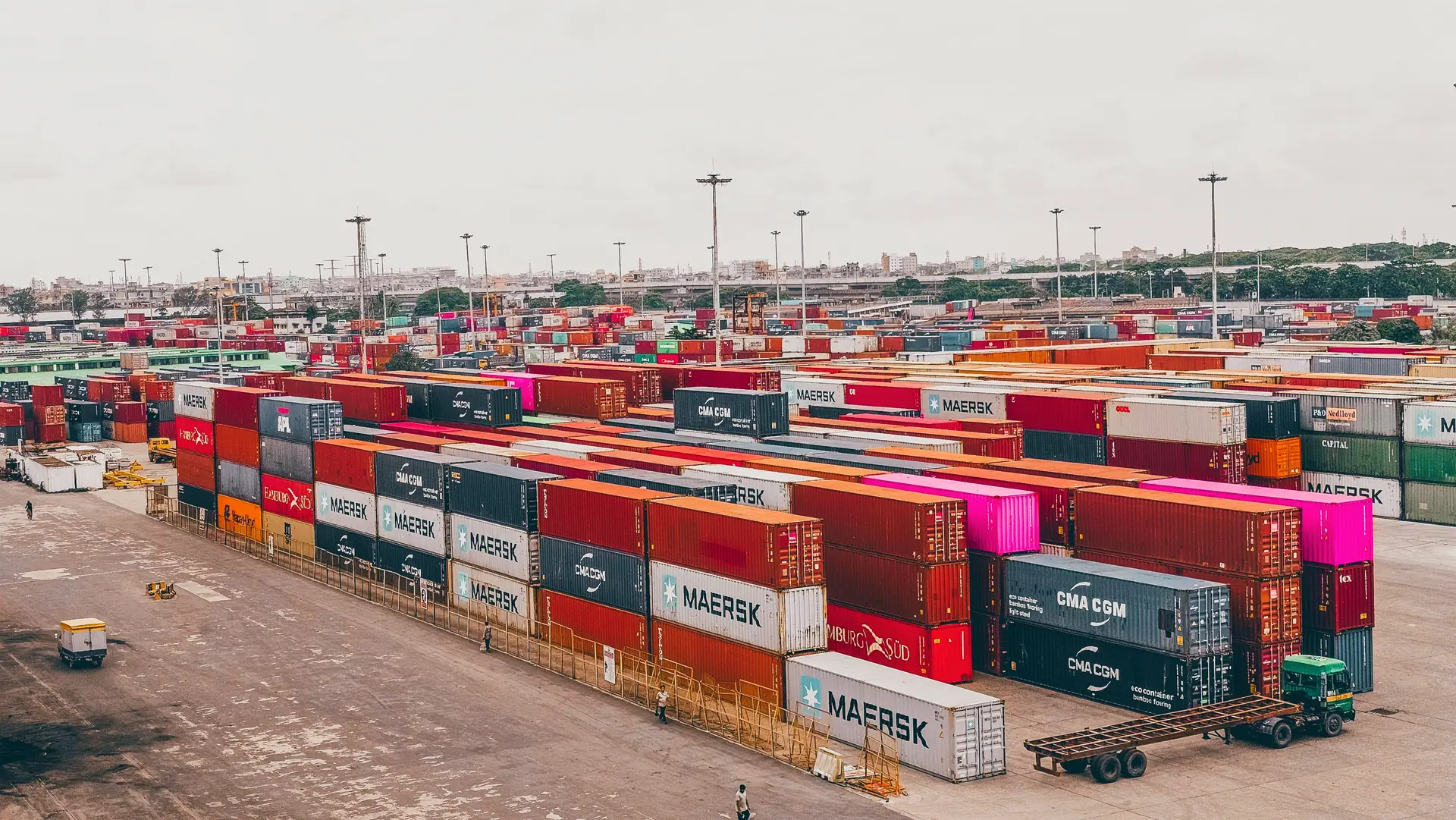
Once the vessel arrives, delays turn into cost. Storage at the terminal and container charges run for each day the cargo waits, and documents that disagree with one another are a common reason it waits. Nigeria Customs Service assesses the declaration against the invoice, packing list and bill of lading, so any difference between them invites questions.
Appoint your clearing and forwarding agent before the cargo ships, not after it arrives. Share the draft documents so the declaration can be prepared in advance, and ask for an estimate of the charges you should expect, itemised, so that nothing at the end comes as a surprise. Keep every receipt for payments made on your behalf.
Finally, have haulage and a receiver ready for the day of release. A container that has cleared but cannot be delivered is still costing you money.
Planning your next import with Vandyvah
Vandyvah's customs and freight forwarding team works with first-time importers to put these protections in place before money moves. We review the order documents against what your supplier will ship, prepare the declaration in Nigeria, coordinate terminal release and arrange delivery, and keep you informed at each stage.
If you are preparing a first import, contact the operations team before the cargo ships. A short conversation about the supplier, the goods and the delivery address is the easiest way to protect your money from the start.
Checklist: protecting your money on a first import
- supplier's company name matches the bank account name
- registration details, address and references checked
- independent inspection arranged before the final payment
- payment split into a deposit and a balance tied to proof
- written purchase order with description, quantity, price and incoterm
- draft bill of lading checked against invoice and packing list
- marine cargo insurance placed for the full journey
- clearing agent appointed and haulage planned before sailing
Where delay usually develops
- bank details changed by email shortly before payment
- goods ready late because the deposit terms were unclear
- documents that differ between invoice, packing list and bill of lading
- cargo waiting at the terminal while storage charges build up
- no clearing agent or haulage arranged before arrival
What the principal should prepare
- a written purchase order agreed with the supplier
- evidence that the supplier is a registered business
- payment terms staged against inspection or documents
- a named receiver and delivery address in Nigeria
What Vandyvah can coordinate
- review of order documents before the cargo leaves the supplier
- preparation of the customs declaration in Nigeria
- an itemised view of the charges to expect on arrival
- terminal release and any examination
- haulage timed to the release
- delivery to your address or warehouse