Begin with the two vessels, not the date
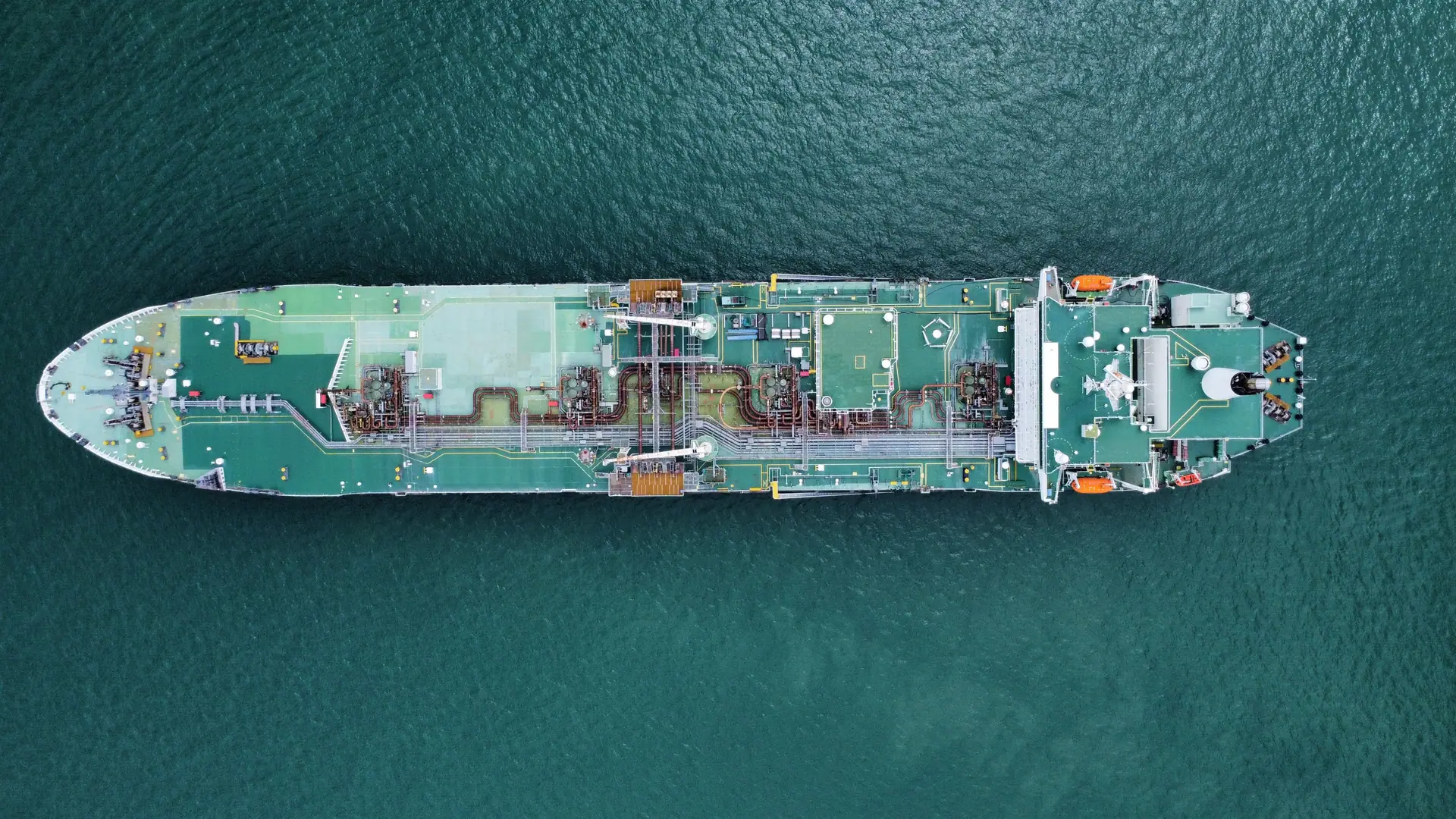
A transfer date is easy to fix and hard to keep if the vessels turn out to be a poor match. Before the charterparty timetable hardens, compare the particulars of both ships side by side: relative size, freeboard, manifold position and height, mooring arrangements and the type of cargo to be moved.
Compatibility questions are cheapest to answer on paper. A mismatch found alongside, with both vessels holding position at sea, costs time that nobody has budgeted for. Send complete particulars for both vessels early, and name one person on each side who can answer technical questions the same day.
Think about the cargo as well as the ships. Grade, quantity and transfer rate decide which hoses, how many connections and how long the vessels will stay together. If the cargo or the rate changes after planning starts, tell everyone at once so that equipment and timing can be revisited, not discovered at the manifold.
Equipment and people must suit this transfer
Fenders and hoses are chosen for the vessels and the cargo, not for convenience. Confirm the specification needed, where the equipment will come from, how it will reach the transfer location, and who will inspect it before use. A fender that is almost the right size is not a small problem on the day.
The same applies to personnel. A mooring master, any required surveyor and the support craft crews each have to be nominated, available for the whole window, and briefed on the same plan. If the operation runs longer than expected, ask now whether the same people can stay and what happens if they cannot.
Keep a written list of what is needed, who supplies it, and when it is confirmed ready. Gaps show up quickly when the list is shared with everyone involved.
Support craft deserve the same attention. Decide which vessels will carry personnel and equipment to the location, where they will wait, and how the crews will communicate with both ships. A single agreed channel and a short call schedule keep the operation orderly when several parties are working at once.
Location, notifications and the weather window
The transfer happens at an approved location, and the plan should say which one, for what duration, and with what notifications to the parties who need to know. Raise this early. Notifications that wait until the vessels are close tend to compress everything else into the last day.
Weather decides whether a good plan can be carried out. Agree in advance the sea state and wind conditions in which the transfer may start, the conditions in which it must pause, and who makes that call. Monitor the forecast from the moment the vessels are fixed and not only on the morning of the operation.
Build a fallback into the schedule. If the weather closes the window for a day or two, the vessels, the equipment and the people all need to hold position or return, and each of those has a cost that the principal would rather understand before it happens.
Tell the commercial side about the fallback too. Charterers, traders and receivers all plan around the transfer, and a short message the moment a delay becomes likely is worth more than a detailed explanation afterwards.
Quantity records and documentation
Disputes over how much was transferred are far easier to prevent than to settle. Agree before the vessels meet how quantities will be measured, who attends, which figures each party will sign, and how any difference will be handled.
Collect the documents in one place ahead of time: the transfer plan and risk assessment, vessel and cargo particulars, insurance and P&I details, and the charterparty requirements that affect the operation. After the transfer, complete the records while the people who saw the operation are still on site, and circulate them the same day.
Planning your next transfer with Vandyvah
Vandyvah supports owners, charterers and operators planning ship-to-ship transfers in Nigerian waters. We bring the vessel particulars, equipment, personnel, location notifications, weather monitoring and quantity records into one written plan, and keep everyone on the same picture through approach, mooring, transfer and unmooring.
If a transfer is on your schedule, contact our operations team before the vessels are committed to the rendezvous. The earlier we see the particulars and the intended window, the more of the planning can be settled calmly on shore.
Ship-to-ship transfer: before the vessels meet
- particulars of both vessels shared, including manifold arrangements
- cargo grade, quantity and transfer rate confirmed
- fender and hose specification matched to both vessels
- mooring master, surveyor and support craft nominated for the whole window
- location, timing and notifications cleared with the parties concerned
- weather limits and the person who calls a pause agreed
- quantity measurement method and signatories agreed
- transfer plan, risk assessment and insurance details circulated
Where delay usually develops
- vessel compatibility questions raised late in planning
- fenders or hoses not available at the required specification
- weather outside the agreed operating limits
- notifications for the transfer location left to the last day
- mooring master or personnel not free for the full window
- quantity measurement method not agreed beforehand
What the principal should prepare
- particulars of both vessels and their manifold arrangements
- cargo grade, quantity, transfer rate and intended window
- the transfer plan and risk assessment
- insurance, P&I and charterparty requirements
What Vandyvah can coordinate
- one written operational plan before the vessels meet
- fender and hose arrangements matched to the vessels
- mooring master and personnel availability
- location notifications and local stakeholder liaison
- weather monitoring against the agreed limits
- quantity records and documentation on completion