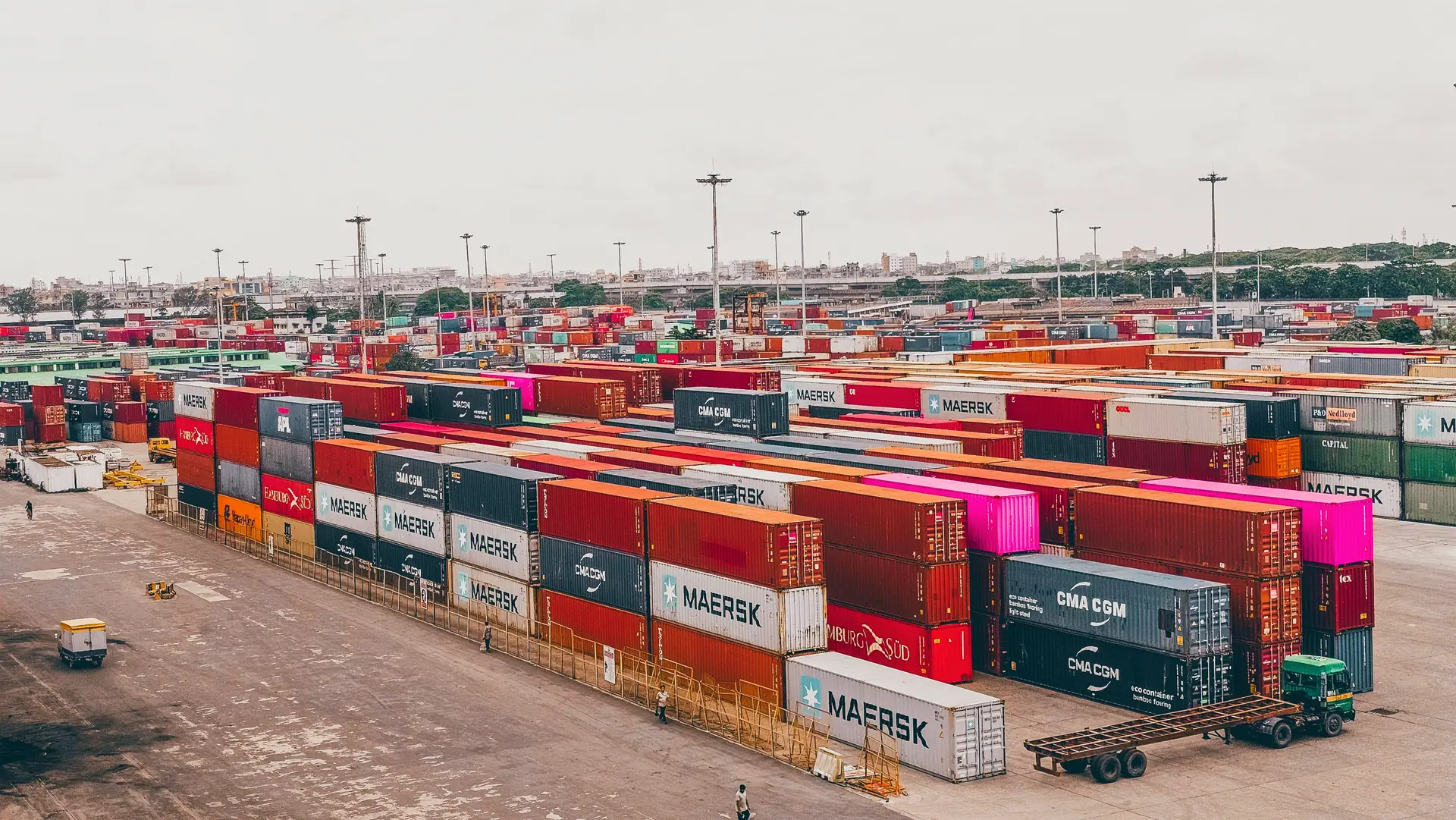
Why haulage is where clearance gains are lost
Importers often treat haulage as the easy part: once customs and the shipping line have released the container, a truck collects it and the job is done. In Lagos the last stretch from terminal stack to delivery site is where much of the time saved during clearance is quietly lost again.
The reasons are practical. A truck sent before the container is genuinely releasable waits outside the port or returns empty. A truck that arrives on time may still be held by terminal access arrangements, congestion on the port approach roads or a container that has not been positioned for loading. And a container that reaches a site with no way of offloading it simply moves the cost from demurrage to detention.
Book the truck against confirmed release
The single most useful rule is to commit the truck only when release is confirmed in writing: duty and charges settled, customs release recorded, the shipping line's delivery order issued and the terminal showing the container as ready for delivery. An expected release date is useful for forecasting, but it is not a basis for dispatching a vehicle.
That does not mean waiting idly. While the release steps are completing, the haulier can be shortlisted, the vehicle type agreed and the terminal access booking prepared, so the truck can be called forward the moment the last confirmation arrives. The aim is to remove the gap between release and gate-out, not to guess at it.
Truck, terminal and site: what to settle in advance
| Item | What to confirm before dispatch |
|---|---|
| Vehicle | Truck and trailer suited to the container size, weight and any out-of-gauge cargo |
| Terminal access | Any required call-up or gate booking made for the planned collection window |
| Container readiness | Release confirmed and the container positioned or requested for loading |
| Route | Road access to the delivery site for the vehicle, including height, weight and turning limits |
| Delivery site | Receiving hours, offloading equipment, labour and a named person on site |
| Empty return | Return depot identified and its acceptance conditions checked |
The delivery site decides the turnaround
Once a container leaves the terminal, detention usually begins to run until the empty unit is returned. Every hour the truck waits at the delivery site therefore costs twice: the haulier's waiting time and the container's detention exposure. A site that is ready when the truck arrives turns the container around quickly; a site that is not can hold it for days.
Before dispatch, confirm that the site can receive at the planned time, that there is a forklift, crane or labour gang to devan the container, and that someone with authority is there to sign for the cargo and note its condition. If the cargo will be devanned at a warehouse rather than the final site, plan that transfer as part of the same movement.
Plan the empty return at the same time
The empty return is the leg most often left until last. Shipping lines direct returns to specific depots, depots apply their own acceptance conditions, and a container returned dirty or damaged can be refused or charged. If the return is arranged only after offloading, the empty unit may sit at the site while a depot slot is found.
Identify the return depot when the delivery is planned, photograph the container's condition at collection and at return, and make sure the Equipment Interchange Receipt is obtained and filed. That receipt closes the detention clock and is the record that settles any later dispute.
Planning your next container delivery with Vandyvah
Vandyvah coordinates container logistics for importers, exporters and forwarders using Lagos ports, from release and terminal coordination through haulage, delivery and empty return. We track release status container by container, call the truck forward against confirmed release, align the collection with terminal access and the delivery site's receiving window, and follow the empty unit back to the depot with condition records and the Equipment Interchange Receipt.
If you have containers arriving in Lagos, contact our operations team before the vessel berths. Settling the haulier, the delivery site and the return depot early is the most effective way to move each container from stack to site and back in one planned sequence.
Container haulage: before the truck is called
- release confirmed in writing, not assumed from an expected date
- vehicle type matched to container size, weight and cargo
- terminal access or gate booking made for the collection window
- route to the delivery site checked for the vehicle
- receiving hours, offloading equipment and labour confirmed at site
- named person on site to sign for cargo and note condition
- return depot and acceptance conditions identified
- container condition photographed at collection and at return
Where delay usually develops
- trucks dispatched before release is confirmed
- terminal access bookings missing or for the wrong window
- containers not positioned for loading when the truck arrives
- delivery sites unable to offload on arrival
- empty-return depot found only after offloading
What the principal should prepare
- container numbers and bill of lading
- delivery address, access limits and receiving hours
- offloading equipment and a named contact on site
- authority to settle haulage, terminal and line charges
What Vandyvah can coordinate
- container-by-container release tracking
- haulier booking against confirmed release
- collection aligned with terminal access arrangements
- delivery timed to the site's receiving window
- empty return, condition records and the Equipment Interchange Receipt