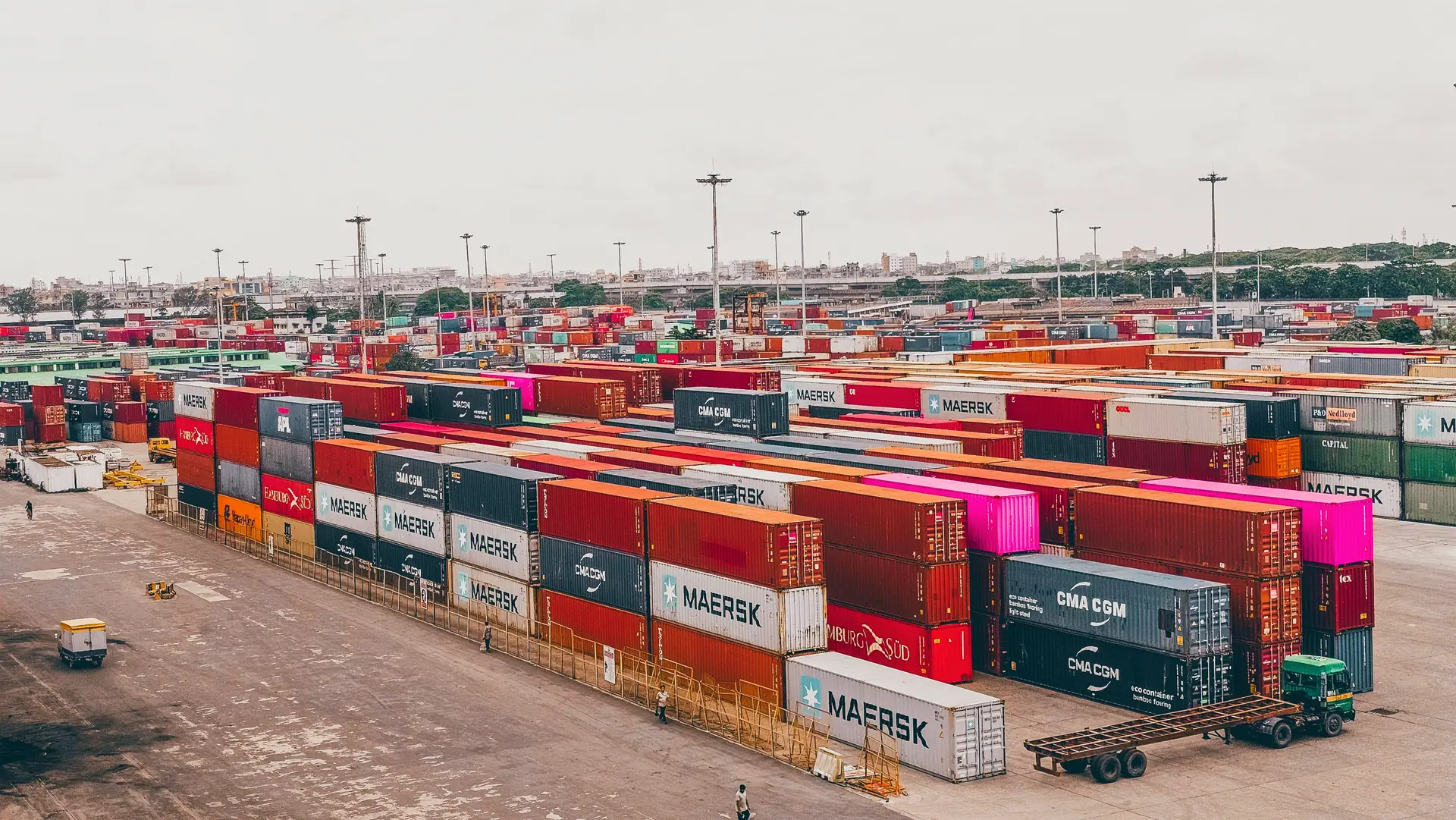
What moving a container beyond Lagos really involves
Clearing a container at a Lagos terminal and delivering it to a warehouse, factory or dry port hundreds of kilometres away are two different jobs. The first ends with release. The second begins with release and depends on a transit arrangement, a truck, a route and a receiving party who is ready on the day.
Where the cargo is cleared inland rather than at the port, it usually travels under customs transit controls, with its own documents and its own checks at the start and end of the journey. The importer who treats this as a simple trucking booking often discovers that the container is released at the terminal but cannot yet leave, because the transit paperwork is not finished.
Decide where clearance happens before the cargo ships
The first decision is whether the container will be cleared at the port or moved onward and cleared at an inland location. It affects the documents, the shipping line's release instructions, the type of haulier you need and the point at which duties are assessed. It should be settled when the shipment is booked, not when the vessel is already approaching.
Tell the shipper at origin where the goods are really going. The bill of lading, the final destination shown on the documents and the instructions given to the shipping line should agree with each other. A container booked to a Lagos discharge but intended for an inland destination, with documents that say nothing about it, invites questions at exactly the moment you want none.
Think also about the paperwork that travels with the truck. The driver, the haulier and the receiver should each know which documents are carried, who holds the originals and who signs for the container on delivery. A missing signature at the destination can hold up the empty's return as surely as a late truck.
Ask your clearing agent to confirm in writing which route the cargo will take, which documents each stage needs, and who will present them. Keep that confirmation with the shipment file.
Fit the haulage to the container's clock
Free time on the container keeps running while the transit arrangements are made. A long road journey adds days to the container cycle, so the plan has to cover not only getting the box to the receiver but also unloading it and returning the empty container to the depot named by the shipping line.
Choose a haulier who can show suitable trucks and who understands transit movements, not only local deliveries. Agree who tracks the truck, what happens if it is delayed on the road, and how you will be told when the container reaches its destination. Drivers should carry the documents they need for every checkpoint on the route.
Plan for the road itself. Journeys inland pass through congested approaches, checkpoints and sections where trucks are slower, and the time of day you leave Lagos can matter as much as the distance. Agree the departure window with the haulier and leave room for a delay that is nobody's fault.
Work out the empty return before the loaded container leaves. Returning a container from far inland is a journey of its own, and the shipping line's return terms may not give you much time once the receiver has unloaded.
Make the receiving end ready
The most common delay on an inland delivery is not on the road. It is at the receiving site, where the container arrives and nobody is ready to unload it, or where the gate, the forklift or the storage space is not available. Every extra day the container waits there can add to the charges the importer carries.
Give the receiver the expected arrival window, the container number and the truck details as soon as they exist. Confirm the site's receiving hours, access for a container truck and the equipment for unloading. If the cargo needs examination or a check by customs at the destination, make sure the people who will attend are available on the day the container arrives.
Planning your next inland delivery with Vandyvah
Vandyvah coordinates containers from the Nigerian port through customs clearing, transit and onward delivery. We agree the route and the documents with you before the cargo ships, line up the haulier and the receiving site against the container's free time, and follow the box until it is delivered and the empty is on its way back.
If you are importing containers for a destination beyond Lagos, contact the operations team before the cargo ships. Settling the clearance point, the documents and the delivery plan early is far easier than unpicking them while a container is already waiting at the terminal.
Inland container delivery: before the cargo ships
- final destination and clearance point decided at booking
- bill of lading and documents consistent with the intended route
- clearing agent's written route and document plan on file
- free time and empty-return terms for the container understood
- haulier with suitable trucks and transit experience appointed
- receiving site's hours, access and unloading equipment confirmed
- truck details and arrival window sent to the receiver
- empty-return depot and timing agreed before the container leaves
Where delay usually develops
- transit paperwork unfinished when the container is released
- documents that do not mention the inland destination
- free time running out during a long road journey
- a haulier without transit experience
- a receiving site not ready to unload on arrival
- no plan for returning the empty container from far inland
What the principal should prepare
- the final destination and the intended clearance point
- a complete set of shipping and commercial documents
- the receiver's site details, hours and unloading equipment
- agreement on who pays for haulage and the empty return
What Vandyvah can coordinate
- route and document planning for inland clearance
- customs and shipping-line coordination
- haulier appointment and truck tracking
- timing of the move against the container's free time
- readiness of the receiving site
- empty-container return and status updates