Start from the site, not the port
Project cargo is bought for a place: a plant, a yard, a rig base, a construction site. Before comparing ports, write down where the equipment must end up, who receives it there and by when. Every later decision is easier once the destination and the delivery window are fixed.
Onne serves the south-east and the oil and gas corridor around Port Harcourt, while the Lagos ports serve the south-west and the large commercial hinterland behind them. For a site in either of those regions the answer may be obvious. For a site in the middle of the country, or in the north, the comparison needs real figures for both routes.
Match the unit to the facility
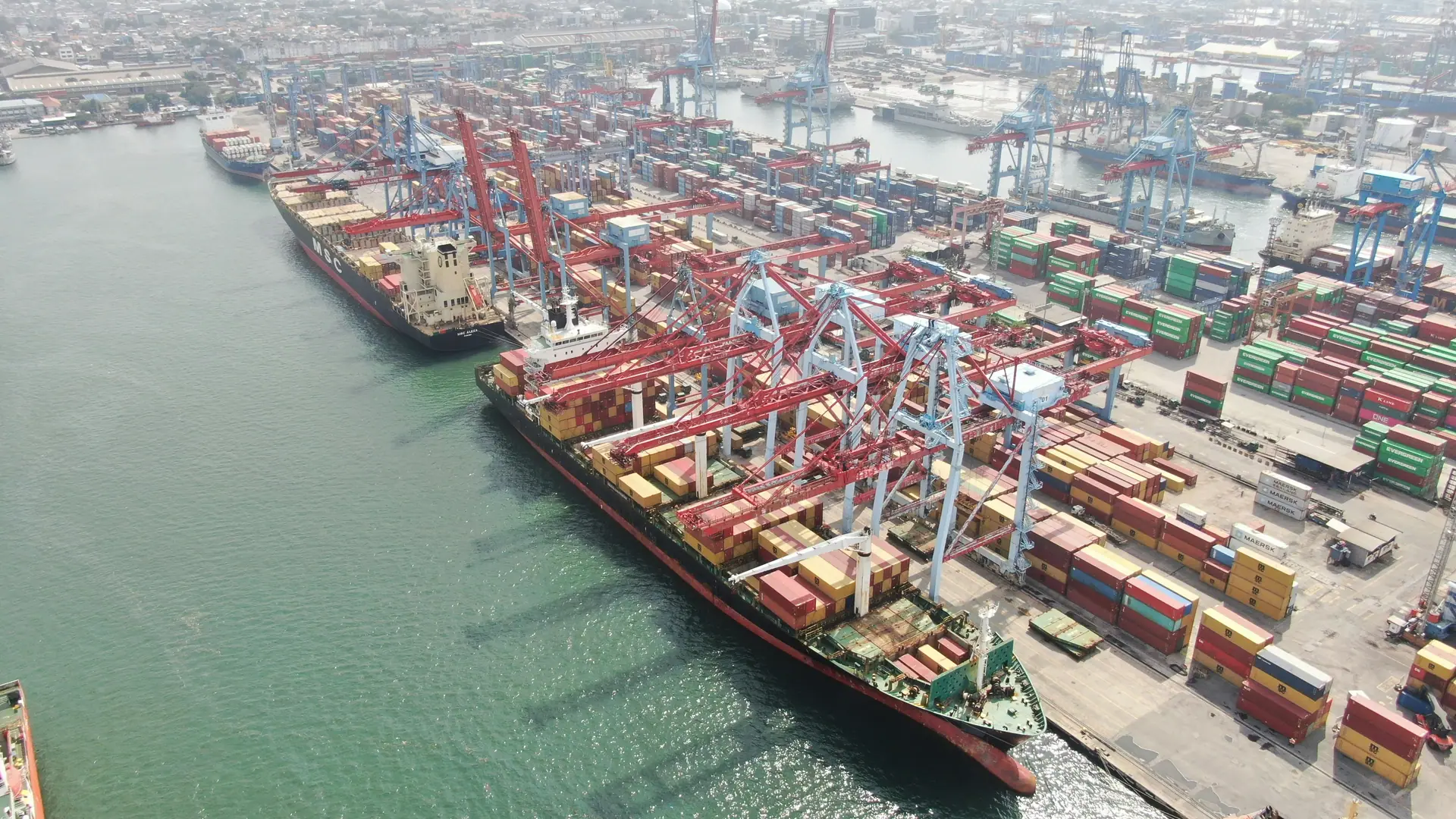
Ports are often compared on general reputation. For a single heavy or oversized unit, the useful question is narrower: can this facility discharge this piece, with this weight and these dimensions, using equipment that will be there on the day?
Ask your forwarder or agent for the facility's handling arrangements in writing, covering lifting capacity, available quay or yard space, and whether additional cranes or specialist equipment must be brought in. Share the exact dimensions, weight and lifting points of the heaviest unit, because a general description of the cargo produces a general answer.
If the vessel carries several large units, check how they will be sequenced. Units that must leave the port in a particular order for installation are best discharged in a matching order, and that is far easier to arrange before the vessel sails than after it arrives.
The road from the port is part of the decision
Oversized loads need a route that can carry them: bridges, overhead lines, junctions, road surfaces and any escort or timing arrangements along the way. A route that looks short on the map may be impractical for a wide or heavy trailer, and a longer route may be the only workable one.
Have the route surveyed or at least reviewed by the haulier who will move the load, for both candidate ports. Ask where the load can be parked safely if the move is interrupted, and how long a daylight-only movement will take to reach the site.
Think about the people on the road as well. Escorts, permits for the movement and notice to the communities along the route all take time to arrange, and they are easier to schedule when the haulier knows the discharge date and the release plan in advance. Agree who is responsible for each arrangement before the vessel sails, so nothing is left to be settled while the cargo waits at the port.
Compare the two options as total time and cost to site, not as freight rate alone. A cheaper discharge that adds a difficult road move can cost more than a dearer one that delivers cleanly.
Customs, storage and release timing
The Nigeria Customs Service process applies whichever port you choose, so the documents must describe the cargo accurately and agree with each other from the start. Project cargo often carries many line items, spare parts and tools, and a mismatch on one line can hold a whole consignment.
Plan storage as carefully as discharge. If the site is not ready to receive the equipment on arrival, ask what storage the facility can offer for heavy units, on what terms, and how the cargo will be protected while it waits. Align the release date with the haulier's availability so that trucks arrive when the cargo is releasable and not a week afterwards.
Finally, ask for a simple written timeline from each port option, running from the vessel's arrival to the cargo standing at site. Put the discharge, release, haulage and unloading steps side by side, with the person responsible for each. The comparison is usually clear once the two timelines sit next to each other, and it gives the whole project team one document to work from.
Keep a decision point in the plan. If the berth window shifts or the road survey raises a concern, agree in advance who decides whether to hold the plan or reroute, and what information that person needs.
Planning your next import with Vandyvah
Vandyvah works with importers and overseas forwarders on project cargo into Nigerian ports. We compare the routing options against your site, check the facility arrangements for the heaviest units, line up customs preparation and haulage, and give you a daily update from discharge to delivery.
If you have project cargo on order for Nigeria, contact our operations team before it ships. Sharing the equipment list, the dimensions and the site location at that stage gives us time to compare Onne and Lagos properly while the choice is still open.
Project cargo routing: before the cargo ships
- installation site, receiver and delivery window written down
- exact dimensions, weights and lifting points of the heaviest unit shared
- facility handling arrangements confirmed in writing for each port
- extra cranes or specialist equipment identified if needed
- road route reviewed by the haulier for both candidate ports
- customs documents matched to every line of the cargo
- storage terms agreed if the site is not ready on arrival
- decision point and decision maker named for any change of plan
Where delay usually develops
- a general cargo description given where exact unit dimensions were needed
- lifting equipment arranged late or not matched to the heaviest piece
- a road route that cannot carry the load found after discharge
- customs documents that disagree with the packing list
- cargo releasable before the haulier is available
- a site not ready to receive the equipment on arrival
What the principal should prepare
- the installation site, receiver and delivery window
- exact dimensions, weights and lifting points for each large unit
- a complete equipment list with the commercial documents
- a named contact who can approve a change of port or route
What Vandyvah can coordinate
- a routing comparison of Onne and Lagos against your site
- facility arrangements checked for the heaviest units
- customs preparation matched to the cargo documents
- haulage and road-route planning with the haulier
- storage and release timed to the site's readiness
- daily updates from discharge to delivery