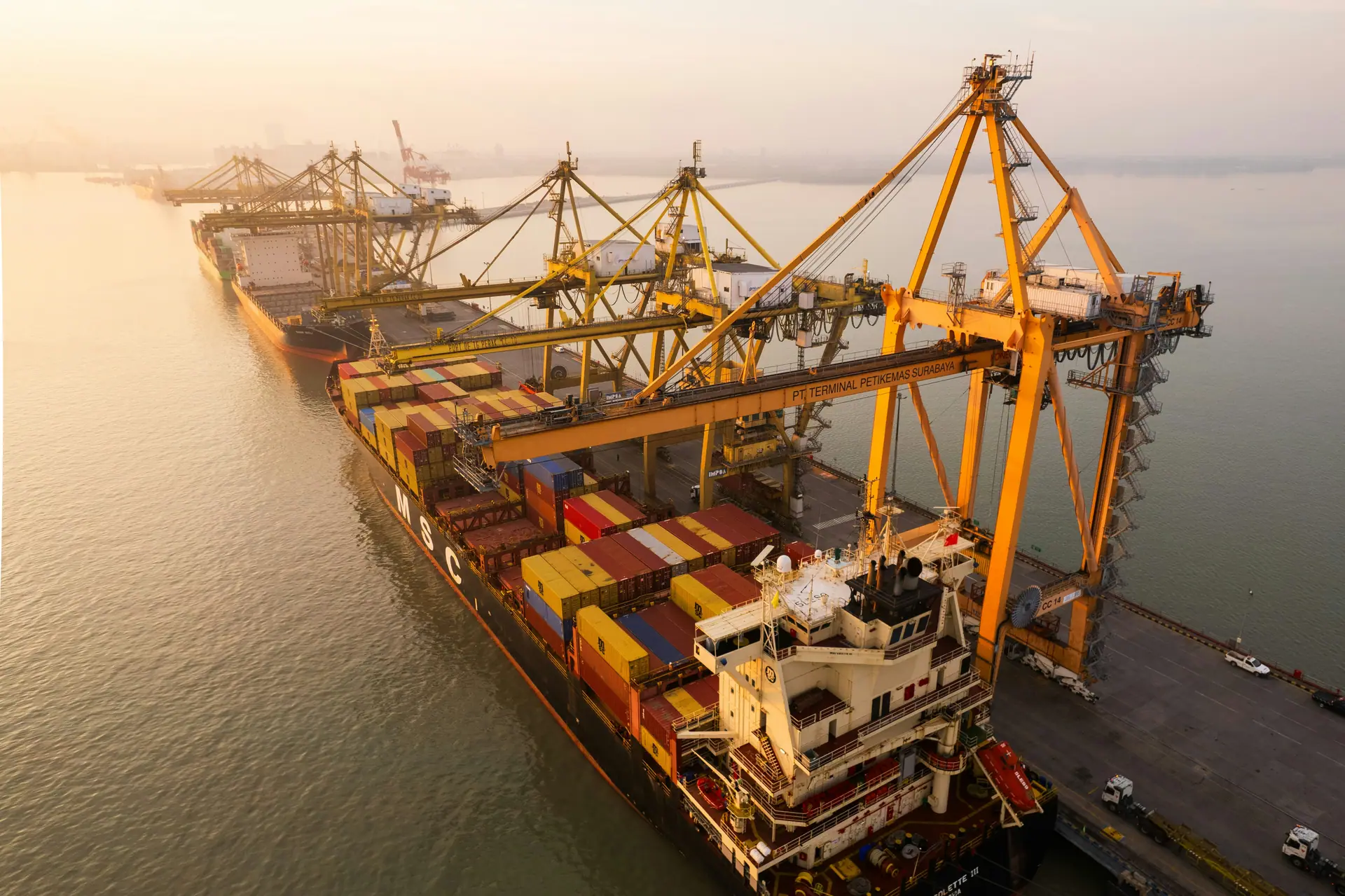
Why export planning differs from import planning
Importers wait for cargo to arrive. Exporters are racing a sailing. A vessel has a cut-off, the terminal has a gate window, and a container that misses either one waits for the next ship, sometimes with storage charges accruing while it does.
That is why export planning starts at the place where the goods are packed, not at the port. By the time a truck leaves for the terminal, the documents, the booking and the customs position should already agree with each other.
The document set: make every paper tell the same story
Most export delays begin with documents that disagree. The commercial invoice, packing list, booking confirmation and any letter of credit terms should describe the same goods, the same quantities, the same consignee and the same destination. A small difference in description or weight is enough to hold a file while someone explains it.
Depending on the commodity, extra papers may be needed: product certificates, quality or inspection records, permits for regulated goods, or agency approvals. Ask early which of these apply to your cargo, because some take longer to obtain than the cargo takes to pack.
If the buyer's contract or letter of credit sets conditions for the bill of lading or other shipping documents, share those conditions with your forwarder before the booking is made. It is far easier to prepare documents to a requirement than to correct them afterwards.
Customs export clearance: start before the cargo is at the gate
Export goods are declared to the Nigeria Customs Service, and the declaration needs the cargo description, classification and values to be consistent with the commercial documents. Where the cargo is examined, the examination is easier when the goods are packed and marked as described.
Ask your forwarder to prepare the declaration while the cargo is still being loaded or stuffed, so queries can be answered before the container is on the road. A declaration started after arrival at the terminal competes with the cut-off for the same hours.
Keep the person who knows the cargo reachable. Customs questions about the goods are best answered by the exporter, within the same day, and not relayed through a chain of messages. Agree in advance who will answer, and what that person needs in order to answer quickly.
Think about the goods themselves as well as the paperwork. Cargo that is packed, labelled and palletised consistently is easier to examine and easier to release, and an examination that finds exactly what the documents describe is usually brief.
Terminal, line and cut-off: the timing that matters most
The shipping line sets the cut-off for each sailing, and the terminal sets the gate rules for receiving export containers. Get both in writing with the booking, and work backwards: customs position, haulage, gate-in, and then the vessel.
Container supply matters too. Collect the empty early enough to inspect it, stuff it carefully, seal it and record the seal number on every document that needs it. A container that is rejected for condition at the gate costs a day that the schedule may not have.
Whichever port you use, confirm the gate-in arrangements for that terminal rather than assuming they match another one. Terminals differ in how they receive export boxes, and the difference is learnt expensively at the gate.
After gate-in: proof of shipment and the paperwork that follows
Once the container is loaded, the shipping line issues the bill of lading and the exporter's file is completed. Check the draft bill of lading carefully against the sales contract before it is finalised, because amendments after the vessel has sailed are slower and carry fees.
Send the final set to the buyer or the bank promptly and keep the originals tracked. A complete, correct set presented on time is what lets payment follow the shipment without argument.
Keep a record of the export declaration, the gate-in receipt and the loading confirmation. Buyers, banks and insurers often ask for them later, and finding them in one place saves days at the end of a transaction.
Planning your next export with Vandyvah
Vandyvah works with exporters and overseas forwarders on outbound cargo through Nigerian ports. We review the document set against the booking and the buyer's requirements, prepare the customs export process, line up haulage to the terminal's gate window and follow the container to loading, with a daily update to the exporter.
If you have cargo to ship from Nigeria, contact our operations team before it ships. Sharing the booking, the document draft and the cut-off dates at that stage gives us time to settle questions before they cost you a sailing.
Outbound cargo: before the container leaves the factory
- invoice, packing list and booking describing the same goods
- buyer's contract or letter of credit conditions shared with the forwarder
- product certificates and permits identified for the commodity
- export declaration prepared while the cargo is being packed
- shipping line cut-off and terminal gate window confirmed in writing
- empty container inspected, sealed and seal number recorded
- haulage timed to the gate window, not to the sailing date
- draft bill of lading checked against the sales contract
Where delay usually develops
- invoice, packing list and booking disagreeing on description or weight
- certificates or permits requested after the cargo is already packed
- the declaration started only once the container reaches the terminal
- a container reaching the gate after the line's cut-off
- an empty container rejected for condition at gate-in
- bill of lading errors found after the vessel has sailed
What the principal should prepare
- commercial invoice and packing list that match the booking
- any certificates, permits or inspection records the cargo needs
- the buyer's contract or letter of credit document conditions
- a named contact who can answer questions about the goods
What Vandyvah can coordinate
- review of the document set before the booking is made
- preparation of the customs export process
- haulage planned to the terminal's gate window
- gate-in follow-up and loading confirmation
- draft bill of lading checks against the sales contract
- daily status updates to the exporter until the vessel sails